
The Sixth Abode
of Lord Murugan
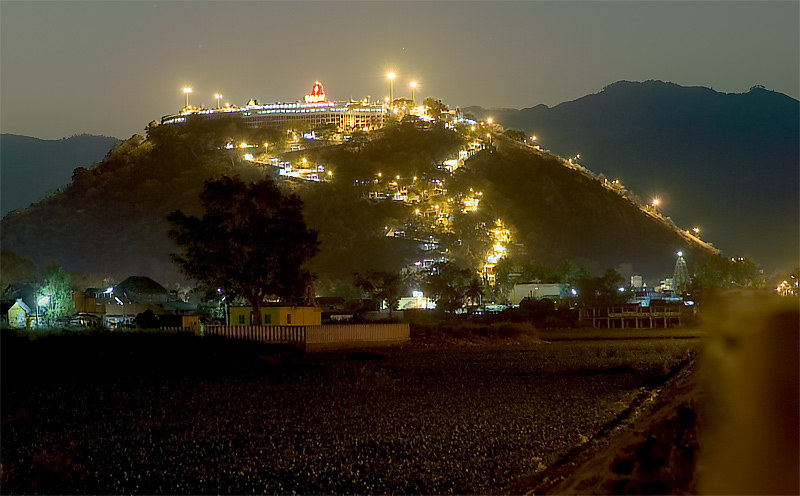
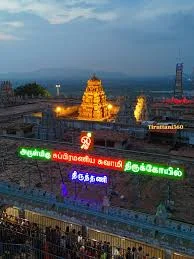
Perched atop a sacred hill at the border of Andhra Pradesh and Tamil Nadu, the Tiruttani Murugan Temple is where Lord Subramanya found peace after his cosmic battle. Visit this legendary shrine with Sevenhills Tours and Travels — Tirupati’s most trusted car travels service.
| Vehicle Type | Seating Capacity | Price (₹) |
|---|---|---|
| Sedan (Etios / Dzire) | 4 + 1 | ₹3,500 |
| Ertiga | 5 + 1 | ₹4,500 |
| Innova | 7 + 1 | ₹5,500 |
| Innova Crysta | 7 + 1 | ₹6,500 |
The History of Tiruttani Temple
Centuries of devotion, royal patronage, and Tamil-Telugu cultural heritage have shaped Tiruttani into the sacred hilltop shrine it is today.
Murugan’s Reconciliation with Shiva
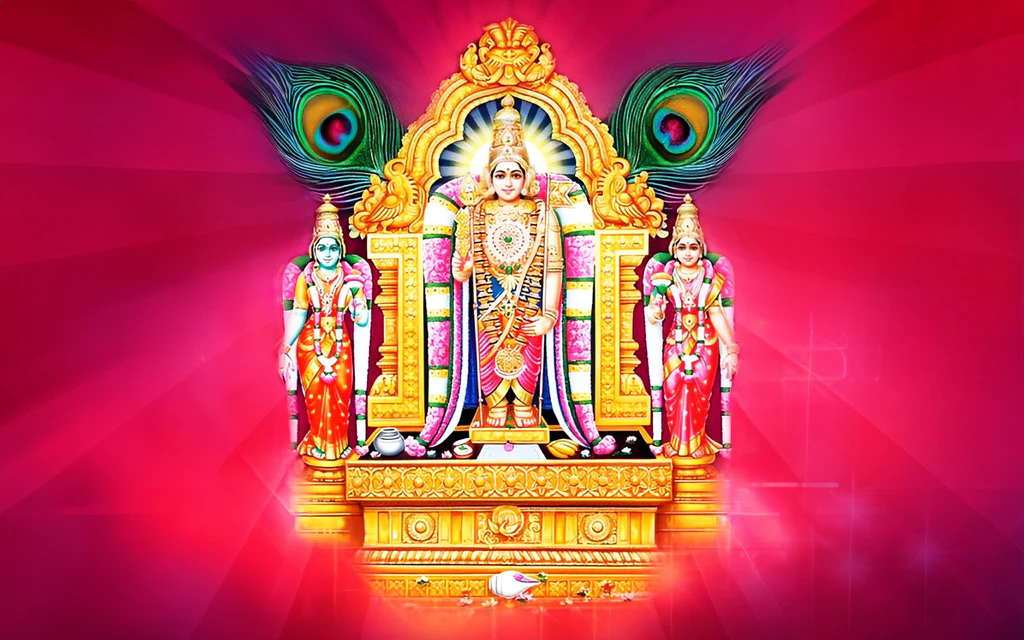
The spiritual significance of Tiruttani is rooted in one of the most profound episodes in Murugan’s mythology. After winning his cosmic battles against the demon Surapadma at Thiruchendur, Lord Murugan roamed through the forests with his peacock and vel (divine spear), before arriving at the banks of the Arani river and ascending this hill. Here, the story goes, an old man appeared before him — it was Lord Shiva himself, disguised as a sage.
What followed was an act of cosmic reconciliation: Murugan recognised his father and bowed in reverence, and Shiva blessed him and declared that this hill would forever be his abode of peace. Unlike the other five Murugan shrines associated with battle and conquest, Tiruttani holds the energy of forgiveness, surrender, and the sweetness of a son returning to his father. This is why the hill is traditionally associated with resolution of family conflicts and the healing of broken relationships, and many devotees visit specifically seeking such blessings.
Sangam Poetry, Chola Kings, and Stone Temples
Tiruttani’s sanctity is attested in classical Tamil literature. The Tirumurugaarruppadai, a 2nd-century CE Sangam text that is one of the earliest and most celebrated hymns to Lord Murugan, specifically mentions Tiruttani as one of Murugan’s sacred abodes — making this temple’s spiritual recognition over 1,800 years old. The name “Tiruttani” itself is believed to derive from the Tamil “Thiruththani” — the sacred cool place — referring to the cool breeze and serenity of the hilltop.
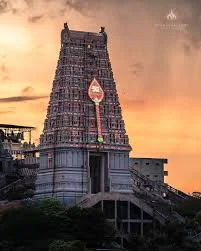
The Chola dynasty (9th–13th century CE) was among the earliest royal patrons of the stone temple structures at Tiruttani. Chola copper plates document land grants to the temple, and several of the older stone carvings in the inner prakarams are attributed to Chola-era craftsmen. The Vijayanagara Empire later expanded the complex significantly, adding the towering rajagopurams, the 365-step staircase, and several mandapams and pushkarini tanks. The Vijayanagara rulers, who deeply revered Murugan as a warrior deity, considered Tiruttani one of their culturally important shrines in the border region between the two language communities.
A Beloved Shrine for Two States
In the 18th and 19th centuries, Tiruttani came under the administration of the Hindu Religious and Charitable Endowments (HR&CE) Department of Tamil Nadu — despite being geographically located at the Andhra Pradesh–Tamil Nadu border. This administrative history reflects the way in which the temple has always served devotees from both Telugu-speaking and Tamil-speaking communities with equal warmth. Pilgrims from Tirupati, Nellore, and Chittoor districts form a significant part of the daily footfall alongside visitors from Chennai, Vellore, and Ranipet.
Today, the temple receives approximately 20,000 to 30,000 pilgrims on ordinary days and several lakhs during Skanda Sashti (October–November), the festival celebrating Murugan’s victory over Surapadma. The HR&CE has undertaken major infrastructure improvements including the installation of an escalator alongside the traditional 365 steps for elderly and differently-abled pilgrims — a thoughtful modern addition that makes this sacred climb accessible to all. For current timings and darshan details, visit the official HR&CE website.
Visit Murugan’s Abode from Tirupati
Comfortable AC cab · Verified driver · Door-to-door · Instant booking. One call handles everything.
Before You Visit Tiruttani
Tiruttani is a welcoming and beautifully managed temple — here is what will make your pilgrimage more meaningful and comfortable.
The 365 Steps — A Devotional Climb
Each of the 365 stone steps represents one day of the year, and climbing them bare-footed is considered a purifying practice. The climb takes 20–30 minutes at a gentle pace. For those who cannot climb, the HR&CE has installed an escalator — a modern and thoughtful addition that keeps the shrine accessible to all. Comfortable closed-toe footwear up to the base is recommended.
Go Early for a Serene Experience
Tiruttani opens at 5:30 AM for the morning puja (Thiruvanandal seva), and the hours between 6 AM and 9 AM are the most peaceful. The hilltop at dawn, with cool breezes and birdsong from the surrounding forests, offers a stillness that is hard to find later in the day when crowds arrive. We recommend leaving Tirupati by 5:30–6:00 AM.
Traditional Dress Is Expected
Men should wear dhoti, veshti, or panchakacham for entry into the inner sanctum. Women should dress in saree or salwar kameez with covered shoulders. Western clothing is strictly not permitted inside the main shrine. Temple staff are courteous but firm on the dress code — coming prepared avoids delays at the entrance.
Best Time to Visit — Skanda Sashti
The Skanda Sashti festival (October–November) is the most spiritually charged time to visit Tiruttani. The six-day festival culminating in Soorasamharam (Murugan’s defeat of Surapadma) draws enormous crowds. The Karthigai Deepam festival in November–December is also spectacular. Visit the official website for exact festival dates.
The Vel and Peacock — Sacred Offerings
Miniature vel (spear) offerings, peacock feathers, and small brass murugan figurines are among the most common offerings at Tiruttani. These can be purchased from vendors at the base of the hill and inside the complex. The temple also conducts special abhishekams, kavasam recitations, and archanas — all bookable at the temple office or through the HR&CE portal.
Shop at Arani on the Way Back
The town of Arani, just 12 km from Tiruttani, is celebrated across South India for its Arani silk sarees — a GI-tagged textile known for its unique gold zari weave and moderate price point compared to Kanchipuram silk. It is an excellent addition to your Tiruttani trip. Our driver knows the best shops in Arani and can plan a 45-minute shopping stopover on the return journey.
Ready to Seek Murugan’s Blessings?
24/7 available · AC cab · Instant confirmation · Experienced local driver · Round trip from Tirupati.
Vel Vel Muruga!
Book Your Tiruttani
Trip Today
Let Sevenhills Tours and Travels carry you from Tirupati to the peaceful hilltop abode of Lord Murugan. Comfortable AC cab · Verified local driver · 24/7 availability · Instant confirmation. Vel Muruga!