
Where Thousand Temples
Meet Silk Traditions
Kanchipuram is one of South India’s most sacred pilgrimage cities — home to the Ekambareswarar (Shiva) and Kamakshi (Parvati) temples, and the Earth Stala of the Pancha Bhuta. Book your cab from Tirupati with Sevenhills Tours — just 115 km away, perfect day trip.
Tirupati to Kanchipuram Taxi Fare
Tirumala to Kanchipuram Taxi Fare
| Vehicle Type | Seating | Price |
|---|---|---|
| Sedan | 4 + 1 | ₹5800 |
| Innova | 7 + 1 | ₹9000 |
| Crysta | 7 + 1 | ₹9500 |
| Traveller | 12 + 1 | ₹14000 |
Airport / Renigunta to Kanchipuram
| Vehicle | Seating | Price |
|---|---|---|
| Sedan | 4 + 1 | ₹5200 |
| Innova | 7 + 1 | ₹8000 |
| Crysta | 7 + 1 | ₹8800 |
| Traveller | 12 + 1 | ₹12500 |
Via Kanipakam Package
| Vehicle | Seating | Price |
|---|---|---|
| Sedan | 4 + 1 | ₹5800 |
| Innova | 7 + 1 | ₹8600 |
| Crysta | 7 + 1 | ₹9300 |
| Traveller | 12 + 1 | ₹11700 |
Kanchipuram — The Golden City of Temples
Nestled in the heart of Tamil Nadu, Kanchipuram (also spelled Conjeevaram) has been one of the holiest and most intellectually vibrant pilgrimage cities in South India for over two millennia. Known as “The City of Thousand Temples,” Kanchipuram houses over 108 major temples — a sacred number in Hindu tradition — making it a destination that demands patience, devotion, and multiple visits to truly honour all its sacred shrines.
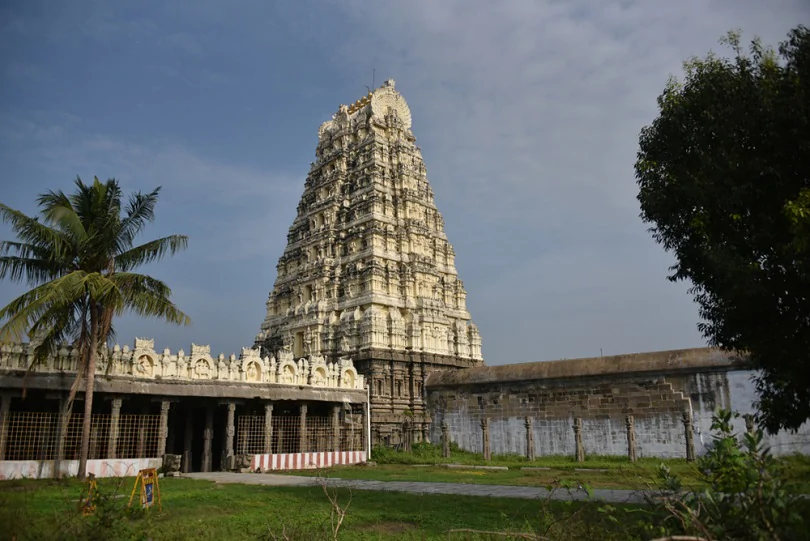
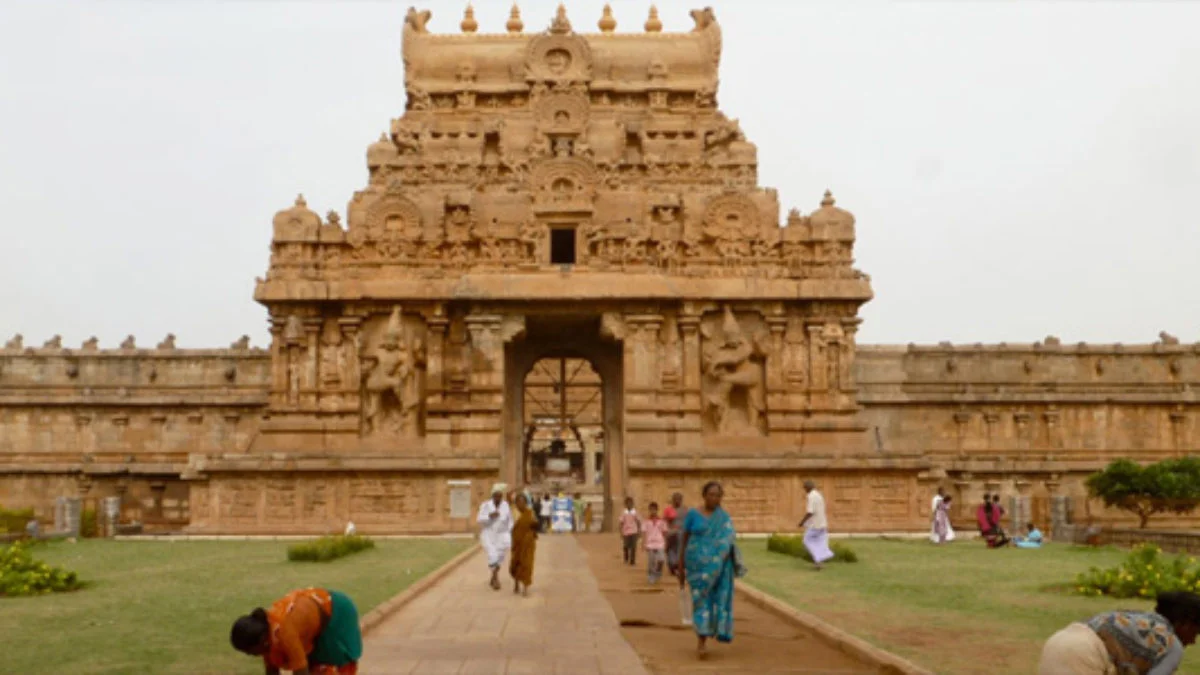
The two greatest temples of Kanchipuram — the Ekambareswarar Temple (dedicated to Lord Shiva) and the Kamakshi Amman Temple (dedicated to the Divine Mother Parvati) — are not merely structures of stone and marble. They represent the earth element (Prithvi) in the sacred Pancha Bhuta Stala tradition, making Kanchipuram the Earth Temple of the five elemental Shiva abodes. This spiritual significance, combined with the city’s role as a centre of Vedic learning and the cradle of Tamil culture, makes Kanchipuram irreplaceable in the Hindu pilgrimage circuit.
Kanchipuram is also famously known as “Silk City” — the traditional hub of handwoven Kanchipuram silk sarees, textiles of unparalleled beauty and quality that have been produced in this city for centuries. A pilgrimage to Kanchipuram is incomplete without purchasing authentic Kanchipuram silk from direct weavers.
For temple darshan timings, history, and detailed information, visit the official Kanchipuram Temples website. To book your cab from Tirupati, see our car rental options.
Prithvi — Shiva
What Makes Kanchipuram Timeless & Sacred
A city where devotion meets tradition, ancient temples meet living craftsmanship. Kanchipuram is not just a pilgrimage destination — it’s a cultural experience.
Book Your Kanchipuram Cab Today
115 km from Tirupati · 3 hours drive · Full-day temple tour · Silk weaver visits. Call now for instant booking.
The History of Kanchipuram
From the reign of ancient emperors to the golden age of Dravidian art — Kanchipuram’s story spans three thousand years of unbroken spiritual and cultural continuity.
The City Emerges from Sacred Legend
According to Hindu mythology, Kanchipuram was established by Lord Brahma himself, who chose this sacred ground to place a divine city. The Puranas describe Kanchipuram as Kanchi Purapandya — a city blessed by all three divine beings: Brahma (creator), Vishnu (preserver), and Shiva (destroyer-transformer). Archaeological and inscriptional evidence suggests that Kanchipuram was already an important settlement and religious centre during the Sangam Age (roughly 500 BCE – 500 CE).
The city’s early prominence came from both spiritual significance and its strategic location on trade routes connecting the Deccan with Tamil Nadu. Ancient texts refer to “The City of Thousand Temples,” indicating that by the Sangam period, Kanchipuram had already established itself as the pre-eminent pilgrimage centre of South India.
The Golden Age of Dravidian Temple Architecture
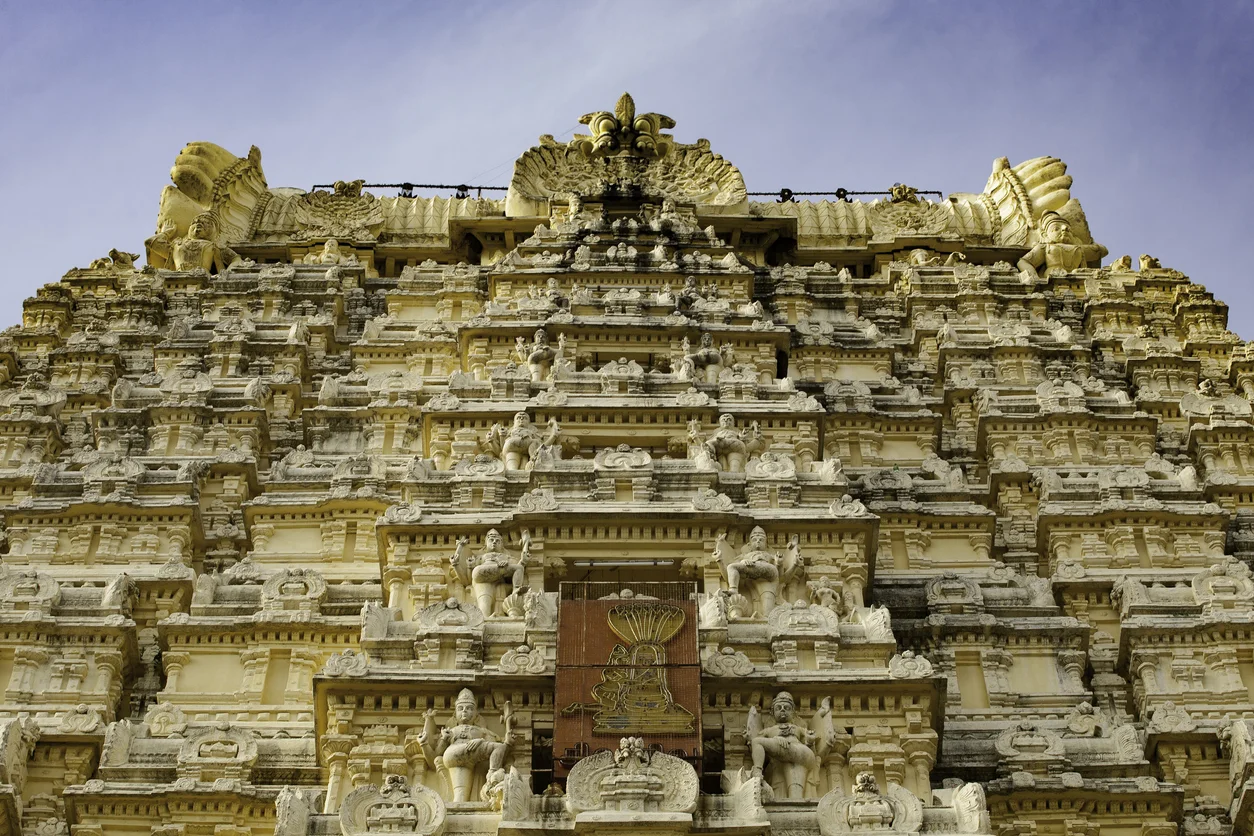
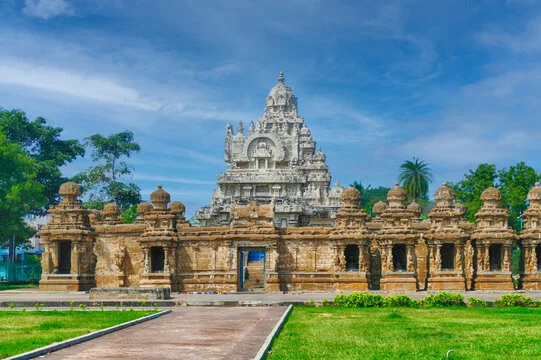
The Pallava dynasty transformed Kanchipuram into what many scholars consider the cultural and spiritual capital of South India. Under the visionary Pallava kings — particularly Narasimhavarman I (Mamalla) and his successors — Kanchipuram experienced an architectural renaissance. This was the era that saw the construction of Kailasanatha Temple, one of the oldest surviving stone temples in South India, and the flowering of Dravidian architectural innovation.
The Pallavas were great patrons of art, poetry, and sculpture. Pallava inscriptions describe Kanchipuram as a centre of learning where scholars from across India gathered to debate philosophy, mathematics, and theology. The city became home to the Pallava University — an ancient seat of learning that rivalled Nalanda in reputation. Adi Shankara, the greatest philosopher of Advaita Vedanta, studied and taught at Kanchipuram during this period.
Expansion, Wealth, and Imperial Splendour
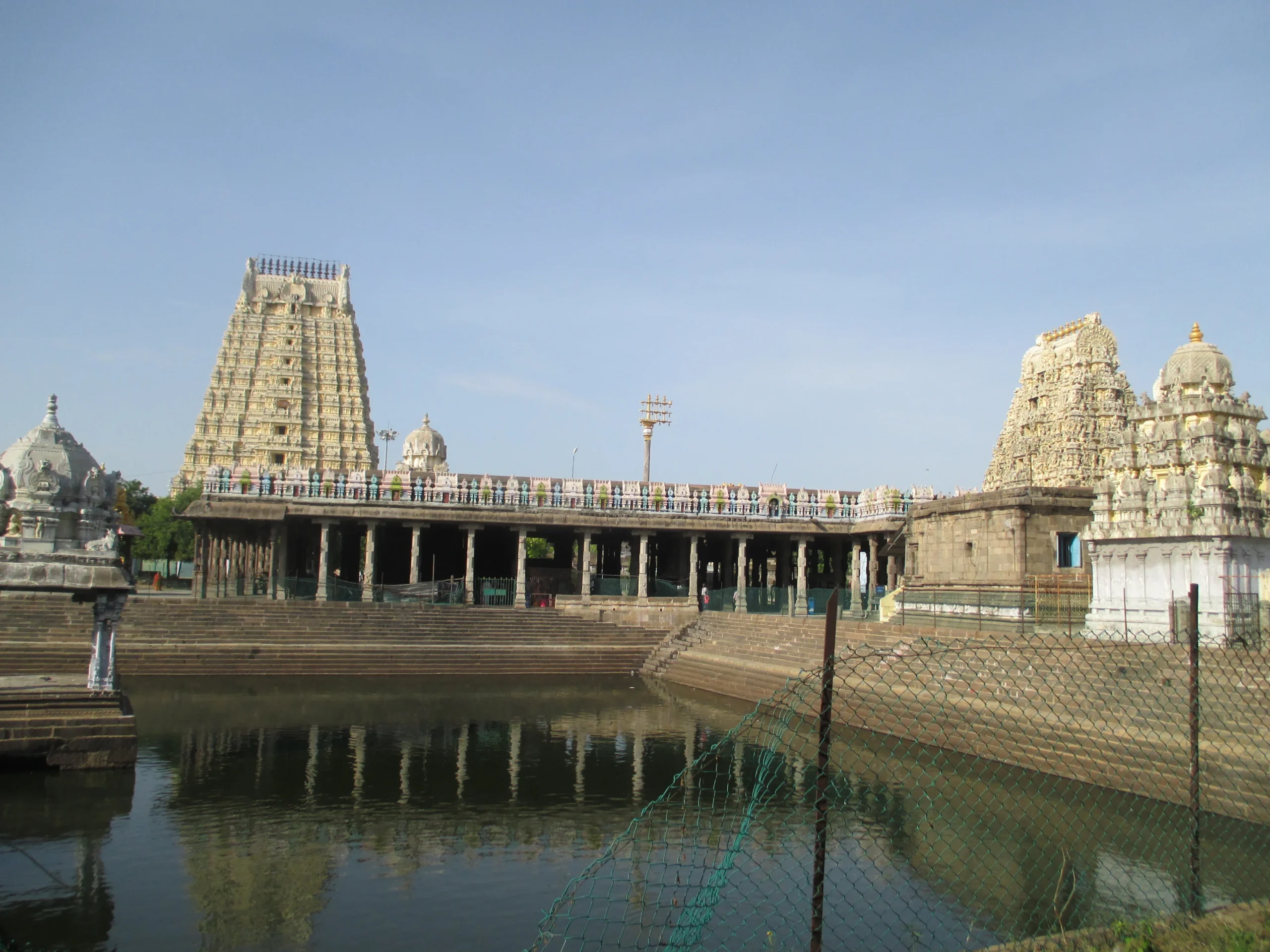
Under the mighty Chola Empire, Kanchipuram remained a centre of imperial patronage and artistic achievement. The Cholas were renowned builders and commissioned numerous additions to existing temples. They expanded the Ekambareswarar Temple with massive gopurams (towers), decorated mandapams (halls), and intricate sculptures that exemplified Chola artistic genius. The famous Kamakshi Temple complex also received substantial endowments and expansion during this period.
The Chola period saw Kanchipuram reach the zenith of its prosperity. Thousands of merchants, artisans, scholars, and pilgrims lived in the city. The Chola kings endowed the temples with vast agricultural lands, creating a self-sustaining religious and economic institution. Chola inscriptions from Kanchipuram temples provide detailed records of temple administration, land grants, and ritual sponsorships — offering invaluable insights into medieval South Indian temple culture.
The Silk City Heritage Flourishes
By the medieval period, Kanchipuram had solidified its reputation as the “Silk City.” The city’s handwoven silk sarees became legendary — so valuable that they were considered precious gifts exchanged between royalty and given as sacred offerings in temples. The Kanchipuram silk weaving tradition emerged not as a random craft but as an integral part of the city’s spiritual culture — weavers were often considered as much artisans of divinity as spiritual practitioners.
The Sri Kanchi Kamakoti Peetham, one of the four principal seats of Vedic philosophy founded by Adi Shankara, became headquartered in Kanchipuram, adding to its importance as a centre of intellectual and spiritual authority. This institution continues to this day, with the Shankaracharyas of Kanchipuram serving as guardians of Hindu philosophical tradition. Kanchipuram’s silk production, temple tradition, and Vedic learning became inseparably intertwined — making the city unique in its integration of spirituality, art, and craft.
Living Tradition in the Contemporary Age
Today, Kanchipuram remains one of the most vibrant pilgrimage cities in India, drawing over 2 million visitors annually to its temples. The traditional silk weaving continues, with over 5,000 weavers still operating handlooms in the city — making it a living museum of ancient craftsmanship. UNESCO has recognized Kanchipuram’s handwoven silk as a Masterpiece of the Oral and Intangible Heritage of Humanity.
In 2004, UNESCO inscribed Kanchipuram on its tentative list for World Heritage Site status, recognizing the outstanding universal value of its temples and cultural heritage. The city has successfully maintained its spiritual authenticity while adapting to modernity. Kanchipuram proves that ancient traditions can not only survive but thrive when deeply rooted in living community practice — the temples remain fully functional, the silk tradition continues unbroken, and the flow of pilgrims never ceases. Visit the official temple website for current darshan timings and pooja information.
Before You Visit Kanchipuram
Kanchipuram is a city of temples, silk, and spiritual depth. Here’s how to make your visit truly meaningful.
Start Early — Visit the Sacred Mango Tree
The most magical time to visit Ekambareswarar is before 8:00 AM, when few pilgrims have arrived and the temple has an almost meditative quality. The 3,500-year-old sacred mango tree is best appreciated in morning light. Early arrival also means less crowding and a more intimate darshan experience.
Authentic Kanchipuram Silk Selection
Kanchipuram silk is legendary but expensive. Our drivers will take you to direct weaver workshops (not tourist shops). A genuine Kanchipuram saree takes weeks to handweave. Ask for the weaver’s certificate of authenticity. Prices vary from ₹3,000 to over ₹50,000 depending on the design and materials — budget accordingly and ask questions before purchasing.
Traditional Dress Code
Men are required to wear dhoti or veshti for entry into the inner sanctum of both major temples. Women should wear saree or salwar kameez — western clothing is not permitted in inner shrine areas. Cloth dhotis can be rented near the temple entrance if needed. This is not a strict rule at all sections of the temple, but it’s best to comply as a sign of respect.
Explore the Lesser-Known Temples
While Ekambareswarar and Kamakshi are the most famous, Kanchipuram houses 108+ temples. The Kailasanatha Temple (oldest stone temple in South India), Vaikuntha Perumal Temple, and Varadaraja Perumal Temple are architectural gems. Your driver can guide you based on your time and interests.
Understanding the Vedic Tradition
Kanchipuram is home to the Sri Kanchi Kamakoti Peetham — one of the four principal seats of Vedic philosophy established by Adi Shankara. If you’re interested in Hindu philosophy and Advaita Vedanta, visiting this sacred institution (with proper respect and prior inquiry about visiting hours) adds intellectual depth to your pilgrimage.
Plan for a Full Day Minimum
Two temples alone require 3–4 hours. Adding a silk workshop visit, other significant temples, and a restaurant stop, a meaningful Kanchipuram visit needs full day (8–10 hours). If you’re visiting multiple temples with proper darshan, plan 10–12 hours from Tirupati. The 6-hour round-trip drive is time well invested for this extraordinary city.
Experience Kanchipuram’s Timeless Sanctity
115 km from Tirupati · 3 hours drive · Full-day or multi-day pilgrimage · Instant confirmation.
Om Namah Shivaya · Jai Kamakshi
Experience the Sacred
City of Kanchipuram
Sevenhills Tours and Travels will take you from Tirupati to the temple city of a thousand shrines in just 3 hours — comfortable AC cab, verified local driver, designed for spiritual pilgrimage. Book now for early morning departure and full-day temple immersion.