
Where the Wind
Becomes Lord Shiva
Srikalahasti is one of South India’s most powerful Shiva temples — the Vayu (Air) Lingam of the Pancha Bhuta Stalas, famous for the miraculous Rahu-Ketu Pooja. Book your cab from Tirupati with Sevenhills Tours and Travels — just 42 km away.
Cab & Taxi Fares to Srikalahasti
Distance from Tirupati to Srikalahasti is around 40 kilometres and takes approximately 1 hour journey.
Tirupati to Srikalahasti – Day Package (12 Hrs)
Vehicle will be assigned 12 hours per day. Extra hour is charged ₹100 for Dzire/Etios, ₹150 for Innova, ₹200 for Tempo Traveller.
| Vehicle Type | Seating Capacity | Price |
|---|---|---|
| Etios / Dzire | 4 + 1 | ₹2,870/- |
| Innova | 7 + 1 | ₹3,370/- |
| Tempo Traveller | 13 + 1 | ₹4,600/- |
Tirupati to Srikalahasti – Drop Package (4 Hrs)
The above Srikalahasti dropping package is applied for 4 hours. More than 4 hours will be converted to day package.
| Vehicle Type | Seating Capacity | Price |
|---|---|---|
| Etios / Dzire | 4 + 1 | ₹2,200/- |
| Innova | 7 + 1 | ₹2,700/- |
| Tempo Traveller | 13 + 1 | ₹3,000/- |
Tirumala to Srikalahasti – Drop Package
Convenient package for pilgrims combining Tirumala and Srikalahasti visits.
| Vehicle Type | Seating Capacity | Price |
|---|---|---|
| Etios / Dzire | 4 + 1 | ₹3,370/- |
| Innova | 7 + 1 | ₹3,370/- |
| Tempo Traveller | 13 + 1 | ₹4,600/- |
Bangalore to Srikalahasti – Day Package
The above Bangalore city to Srikalahasti package may vary based on the pickup location in Bangalore city.
| Vehicle Type | Seating Capacity | Price |
|---|---|---|
| Etios / Dzire | 4 + 1 | ₹8,400/- |
| Innova | 7 + 1 | ₹12,000/- |
| Tempo Traveller | 13 + 1 | ₹15,600/- |
📍 Parking, Toll and State tax are customer responsibility.
Gudur to Srikalahasti – Day Package
Direct service from Gudur railway station to Srikalahasti Temple.
| Vehicle Type | Seating Capacity | Price |
|---|---|---|
| Etios / Dzire | 4 + 1 | ₹2,870/- |
| Innova | 7 + 1 | ₹3,370/- |
| Tempo Traveller | 13 + 1 | ₹4,600/- |
Tirupati Airport to Srikalahasti – Drop Package
Quick transfer from airport to Srikalahasti Temple.
| Vehicle Type | Seating Capacity | Price |
|---|---|---|
| Etios / Dzire | 4 + 1 | ₹1,800/- |
| Innova | 7 + 1 | ₹2,600/- |
| Tempo Traveller | 13 + 1 | ₹4,000/- |
Renigunta to Srikalahasti – Drop Package
Transfer from Renigunta railway station to Srikalahasti Temple.
| Vehicle Type | Seating Capacity | Price |
|---|---|---|
| Etios / Dzire | 4 + 1 | ₹1,800/- |
| Innova | 7 + 1 | ₹2,600/- |
| Tempo Traveller | 13 + 1 | ₹4,000/- |
Chennai Airport to Srikalahasti – Day Package
Long-distance service from Chennai airport to Srikalahasti with complete inclusions.
| Vehicle Type | Seating Capacity | Price |
|---|---|---|
| Etios / Dzire | 4 + 1 | ₹5,320/- |
| Innova | 7 + 1 | ₹7,600/- |
| Tempo Traveller | 13 + 1 | ₹9,880/- |
✓ Includes driver charges, parking charges, toll charges, and fuel charges.
Tirupati → Srikalahasti → Kanipakam – Combined Package
Our taxi picks you from Tirupati and covers both Srikalahasti and Kanipakam in a single day. Tirupati to Srikalahasti: 1-hour journey (1 hr darshan). Srikalahasti to Kanipakam: 110 KM in 3 hours (1 hr darshan).
| Vehicle Type | Seating Capacity | Price |
|---|---|---|
| Etios / Dzire | 4 + 1 | ₹3,300/- |
| Innova | 7 + 1 | ₹4,200/- |
| Tempo Traveller | 13 + 1 | ₹5,700/- |
✓ Includes driver charges, parking charges, toll charges, and fuel charges.
Srikalahasti Temple — Vayu Lingam
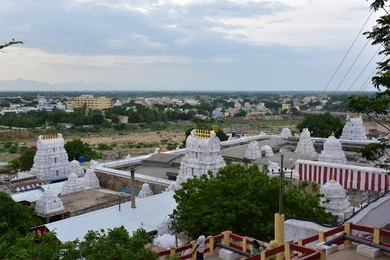
Sitting peacefully on the southern bank of the Swarnamukhi river, flanked by steep rocky hills in Chittoor district, the Sri Kalahastiswara Temple at Srikalahasti is one of the most unique and spiritually profound Shiva temples in all of South India. It holds the rare distinction of being the Vayu Stala — the temple of the Air element — in the sacred Pancha Bhuta Stala tradition, where Lord Shiva is worshipped in the form of a Vayu Lingam.
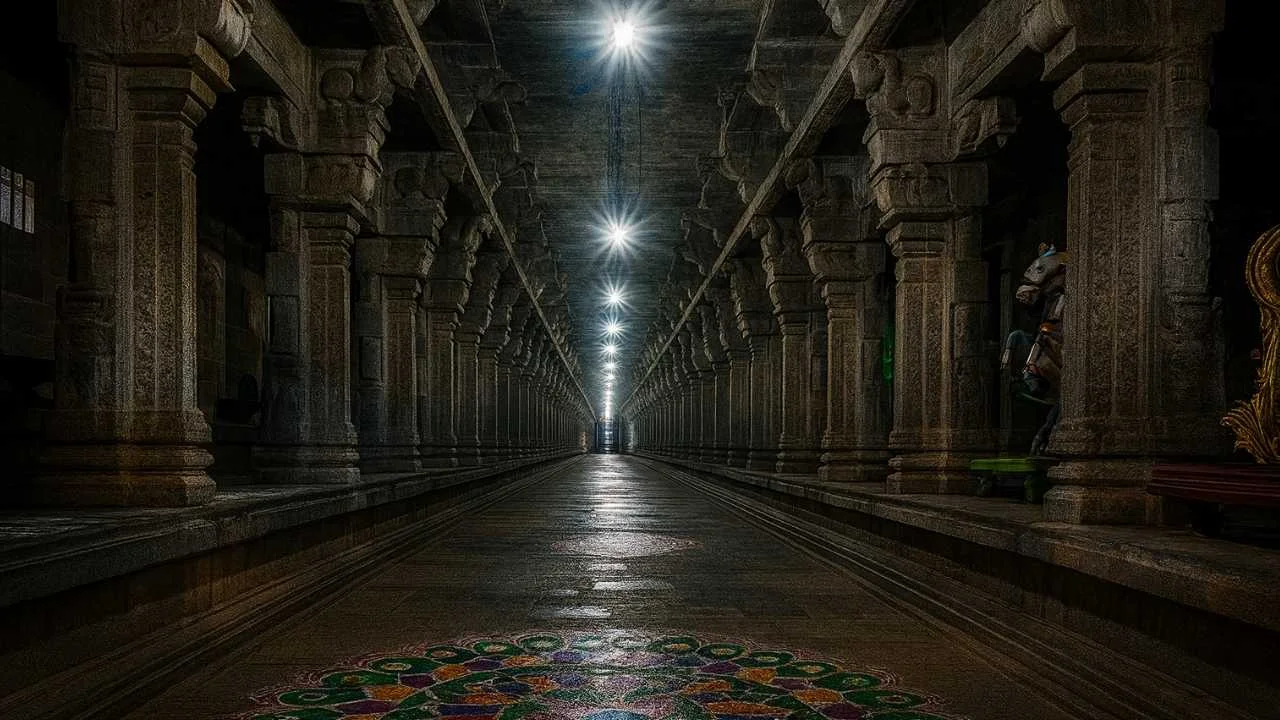
What makes this particular Lingam extraordinary is that it is completely invisible to the human eye. The Vayu Lingam at Srikalahasti is not a carved stone form but an unseen, formless wind energy within the innermost sanctum. Devotees know of its presence because a small flame lamp placed inside the sanctum is said to continuously flicker, moving in all directions as if blown by an invisible wind — even in the absence of any physical air current. This mysterious flame-movement is considered the divine presence of Kalahastiswara himself and has been documented and observed by pilgrims for centuries.
Srikalahasti is also one of the most important centres for Rahu-Ketu Pooja in the entire country — a special ritual performed for the shadow planets Rahu and Ketu, believed to alleviate the ill-effects of adverse positions of these planets in a devotee’s horoscope. This pooja draws thousands of pilgrims daily from across South India, making Srikalahasti uniquely vibrant and purposeful in its energy.
For darshan timings, special pooja bookings, and pilgrim facilities, visit the official Srikalahasti Temple website. To book your cab from Tirupati, see our car rental options.
Air — Shiva
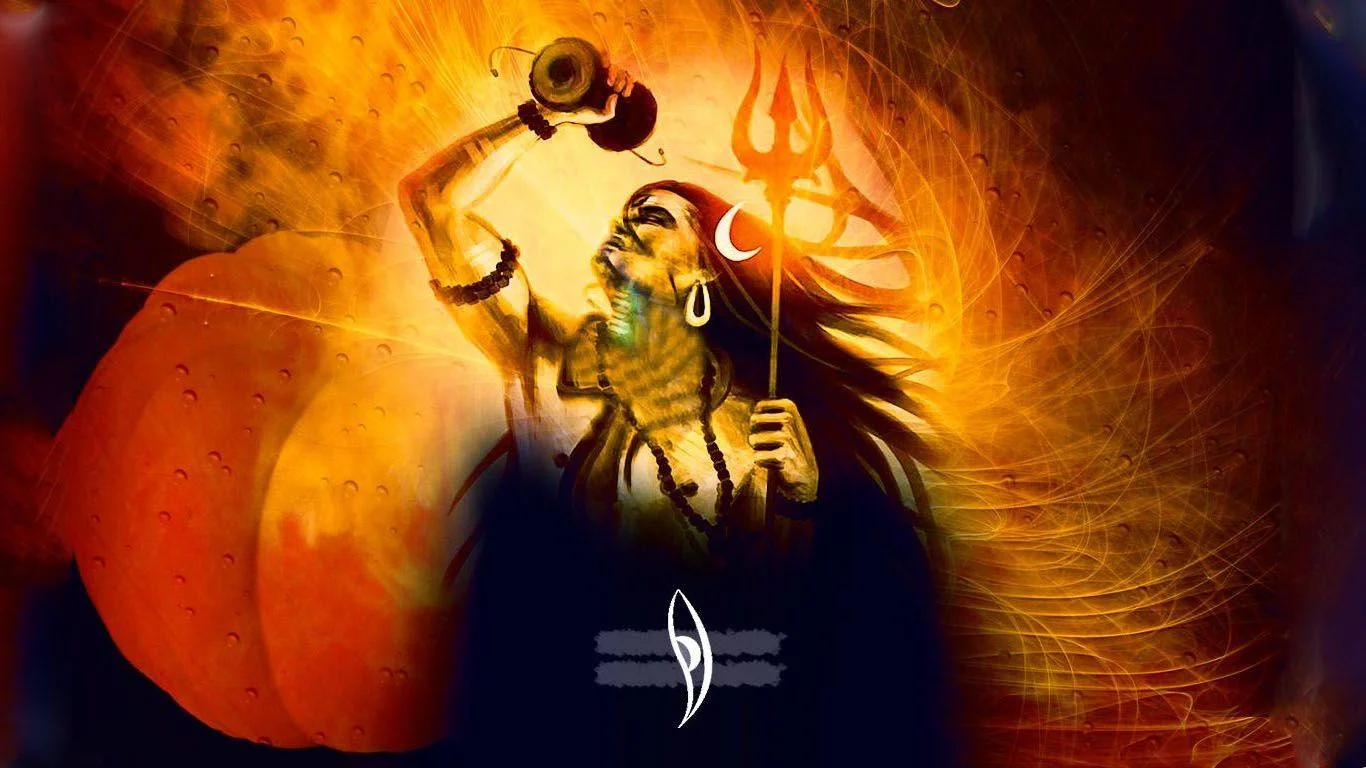
The Pancha Bhuta Stalas — Srikalahasti is the Vayu (Air) Temple
Visiting all five elemental Shiva abodes is one of the most meritorious pilgrimages in Shaivism. Srikalahasti, being the closest to Tirupati, is often the first stop for pilgrims completing this sacred circuit.
Earth (Prithvi)
Water (Jala)
Fire (Agni)
Air (Vayu)
Space (Akasha)
Book Your Srikalahasti Cab Today
Just 42 km from Tirupati · 45 minutes drive · Perfect half-day or full-day trip. Call now.
The History of Srikalahasti Temple
From the legend of a spider, a snake, and an elephant to the towering stone masterpiece it is today — Srikalahasti’s story spans over a thousand years of devotion and artistry.
The Temple’s Most Beloved Legend
The name “Srikalahasti” itself contains the story. Sri is the spider (in Telugu), Kala is the serpent, and Hasti is the elephant — three animals from ancient legend who were said to have worshipped Shiva here in their own devoted ways: the spider by weaving its web to protect the lingam from rain and sun; the snake by placing jewels before the lingam; and the elephant by bathing the lingam with water from its trunk. In destroying each other’s worship (the snake and spider in mutual conflict, the elephant in trampling the web), all three attained liberation through their fierce devotion.
This legend is at the heart of Srikalahasti’s spiritual character. Unlike many temples associated with war or wealth, Srikalahasti is fundamentally about the nature of devotion itself — simple, fierce, and utterly sincere. The spider’s story, specifically, is widely referenced in Tamil Shaiva tradition as a model of pure, ego-free worship. The Nayanmars, the Tamil Shaiva saints, composed some of their most deeply personal hymns in praise of Kalahastiswara.
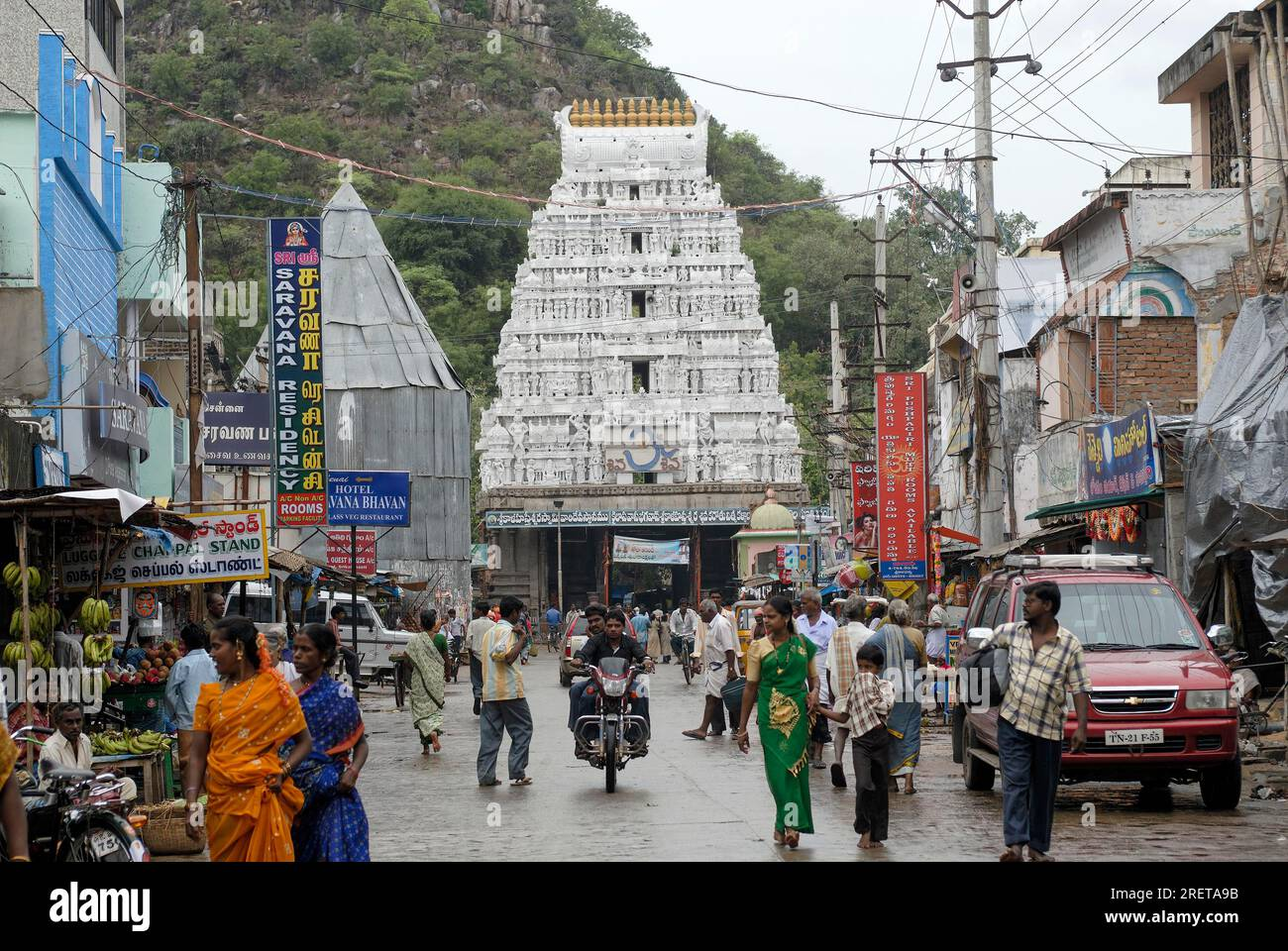
Royal Patronage Builds a Stone Masterpiece
The earliest stone temple structure at Srikalahasti dates to the Pallava period (7th–9th century CE), and inscriptions from this era confirm royal land grants to the temple. The Pallavas of Kanchipuram, who revered both Shaiva and Vaishnava traditions, recognised Srikalahasti as a significant kshetra and funded its early development. The Chola dynasty expanded this further, adding the characteristic Dravidian mandapams and the first formal gopurams.
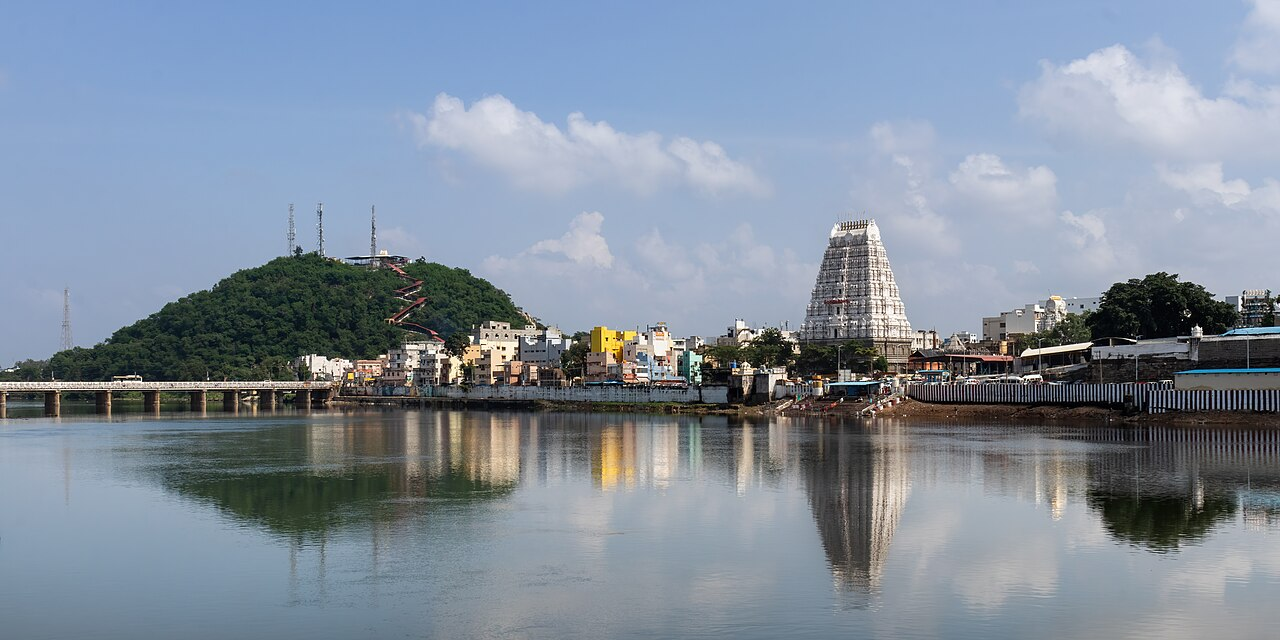
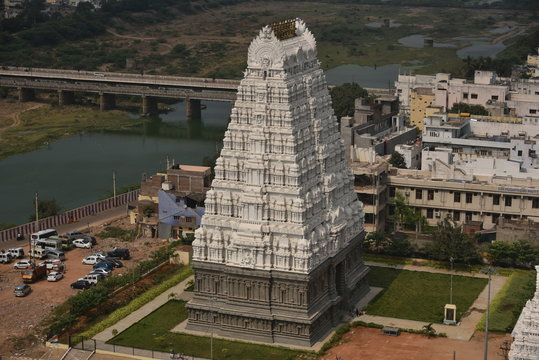
The transformative era came under the Vijayanagara Empire. The magnificent 100-foot rajagopuram — the tall tower that dominates the Srikalahasti skyline — was constructed by Vijayanagara’s governors in the 16th century. The thousand-pillared mandapam, the carved stone corridors, the pushkarini (sacred tank), and the Swarnamukhi river ghat were all formalised during this period. Vijayanagara inscriptions describe the temple as one of their three most important Shaiva shrines in Andhra — alongside Srisailam and Ahobilam.
The Rahu-Ketu Centre of South India
Over the 18th and 19th centuries, Srikalahasti’s fame as a centre for Rahu-Ketu remedial rituals grew steadily across Telugu and Tamil communities. As the study of Vedic astrology spread and more families began consulting horoscopes for guidance on marriage, career, and health, the demand for Rahu-Ketu poojas at the most powerful site for this purpose — Srikalahasti — increased dramatically. By the 20th century it had become the leading Rahu-Ketu pilgrimage centre in South India.
Today, the temple is managed by the Andhra Pradesh Endowments Department and receives over 10,000 pilgrims on ordinary days — a number that rises to several lakhs on Shivaratri and Karthika Masam festivals. The temple’s position just 36 kilometres from Tirupati makes it an extremely convenient and natural companion to a Tirumala pilgrimage. For pooja bookings and darshan timings, visit the official temple website.
How to Reach Srikalahasti Temple
Srikalahasti is just 36 kilometres from Tirupati — the closest major temple destination from the city. The drive via NH 40 takes approximately 45 minutes to 1 hour depending on traffic. This makes Srikalahasti not just an easy half-day trip but an ideal companion to a Tirumala darshan — many devotees visit both temples on the same day.
A private cab from Sevenhills Tours and Travels gives you maximum flexibility: start early for the morning puja, complete your Rahu-Ketu pooja at your own pace, explore the beautiful riverside ghats, and return to Tirupati in time for your Tirumala darshan or connecting journey. Our drivers know exactly where to park and how to navigate the temple town efficiently.
If you are specifically coming for the Rahu-Ketu Pooja, we recommend arriving before 8:00 AM as the first batch of poojas begins early and the queues can get long by mid-morning. Our team can help you understand the process and timings when you call to book.
Tirupati to Srikalahasti
Closest major Shiva temple from Tirupati. AC cabs, verified drivers, transparent fares. Instant confirmation on call.
* Toll, parking & driver bata are party expenses. Round trip from Tirupati.
Before You Visit Srikalahasti
Srikalahasti is a compact, beautifully managed temple town. Here is what will make your visit more meaningful and smooth.
Arrive Early for Rahu-Ketu Pooja
The Rahu-Ketu Pooja sessions begin from 6:00 AM and run throughout the day in batches. However, the earliest sessions are less crowded and the atmosphere is most devotional in the morning hours. Arriving by 7:00–8:00 AM is ideal for a smooth pooja experience. Pre-booking through the official website can save waiting time.
Bring Your Horoscope Details
For the Rahu-Ketu Pooja, the temple priests will ask for your date of birth, time of birth, and place of birth to verify the planetary position before performing the ritual. If you have a printed copy of your horoscope (kundali), bring it. Our driver can advise you on what paperwork or details to prepare before leaving Tirupati.
Traditional Dress Is Required
Men must wear dhoti or veshti to enter the inner sanctum. Women should be in saree or salwar kameez. Western clothing is not allowed inside the main shrine. Cloth dhotis can be rented or purchased from shops near the temple entrance for a modest cost if you have not brought traditional attire from Tirupati.
Take a Holy Dip in Swarnamukhi River
The Swarnamukhi river flowing beside the temple is considered sacred, and many devotees take a ritual bath before entering the temple. The river ghat is clean and well-maintained. Bathing in the river before darshan is considered especially purifying and is a traditional practice that adds depth to the pilgrimage experience.
The Invisible Vayu Lingam — What to Expect
Unlike all other Shiva temples, there is no visible idol in the innermost sanctum at Srikalahasti. The Vayu Lingam is formless — perceived only through the eternal flame that flickers in the closed sanctum. Devotees stand outside the inner chamber and receive the presence of Kalahastiswara through sound (mantras) and the knowledge of his unseen presence. This is a profound and unusual darshan experience.
Best Time to Visit
Any day is auspicious at Srikalahasti, but the most powerful time for the Rahu-Ketu Pooja is during Amavasya (New Moon) and Pournami (Full Moon) days, as well as the Rahu Kalam period of the day specific to each person’s horoscope. Maha Shivaratri and Karthika Masam are the grandest festival seasons. Avoid peak festival Sundays without a pre-booked cab and pooja slot.
Seek Kalahastiswara’s Blessings Today
Just 42 km from Tirupati · 45 min drive · Half-day or combined Tirumala trip · Instant confirmation.
More Temple Tours from Tirupati
Combine Srikalahasti with other sacred destinations — all reachable from Tirupati with Sevenhills car travels.
Om Namah Shivaya
Book Your Srikalahasti
Trip Today
Sevenhills Tours and Travels will take you from Tirupati to the sacred Vayu Lingam in just 45 minutes — comfortable AC cab, verified local driver, available for early morning Rahu-Ketu Pooja sessions. Call now for instant booking.